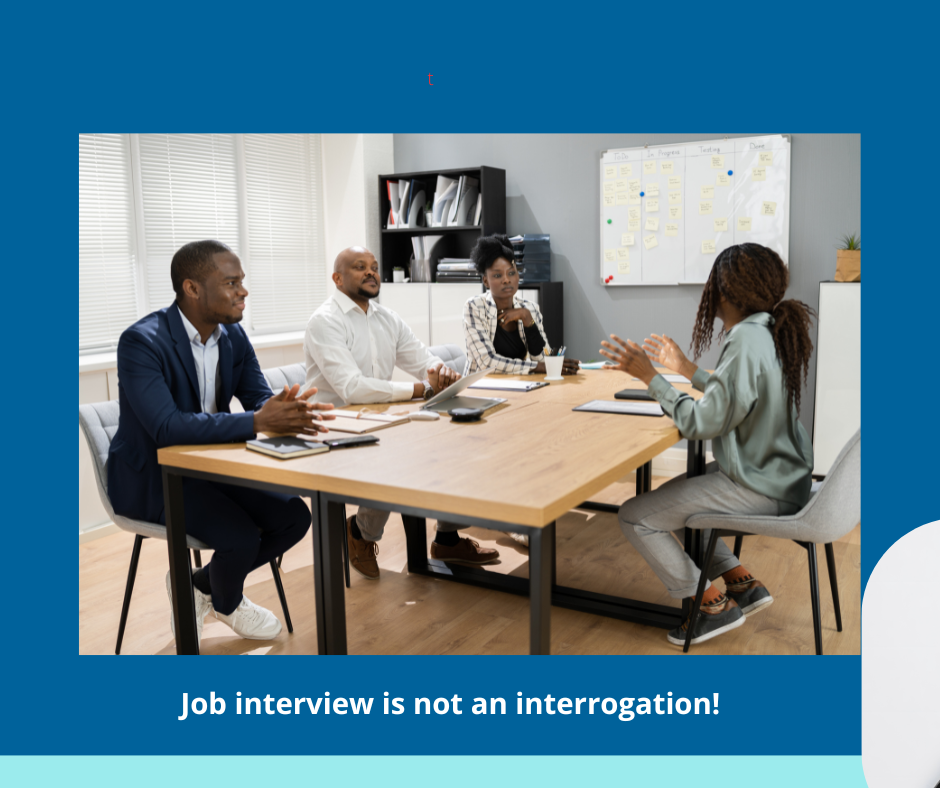
Interview season can trigger deep anxiety—especially for first-year nurses and internationally trained nurses entering a new healthcare environment.
You may ask yourself:
- “What if I don’t have enough experience?”
- “What if they don’t understand my international background?”
- “What if I freeze during the interview?”
- “What if I don’t fit into the culture?”
These fears are common. They are also manageable.
Interview preparation is not about rehearsing perfect answers. It is about developing professional clarity—understanding your value, communicating it effectively, and evaluating whether the organization is the right fit for you.
Let’s break this down strategically: Before. During. After.
Understanding the Fears—and How to Combat Them
1. Fear of Limited Experience (First-Year Nurses)
Reality: Employers hiring new graduates are not expecting 10 years of experience.
They are assessing:
- Clinical reasoning
- Coachability
- Accountability
- Communication
- Professional maturity
How to Combat It:
Shift your mindset from “lack of experience” to “evidence of learning.”
Instead of saying:
“I don’t have much experience.”
Say:
“During clinical rotations, I consistently sought feedback and applied it immediately to improve patient outcomes.”
Your growth trajectory matters more than your resume length.
2. Fear of Cultural or System Differences (Internationally Trained Nurses)
International nurses often worry about:
- Accent discrimination
- Documentation differences
- Scope-of-practice differences
- Bias about foreign training
How to Combat It:
Frame your international experience as a strength:
- Exposure to diverse patient populations
- Adaptability under resource constraints
- Cross-cultural communication skills
- Resilience in complex systems
Example:
“My international training strengthened my adaptability and patient advocacy skills, and I have actively studied U.S. documentation standards to ensure compliance.”
Preparation reduces vulnerability.
3. Fear of Being Asked Clinical Questions
Employers may ask situational or behavioral questions like:
- “Tell me about a time you handled a difficult patient.”
- “Describe a medication error scenario.”
- “How do you prioritize during a busy shift?”
How to Combat It: Use the STAR Method
- Situation
- Task
- Action
- Result
Structure prevents rambling and boosts confidence.
STRATEGIES: BEFORE THE INTERVIEW
Preparation is a professional responsibility.
1. Research the Organization Thoroughly
Understand:
- Mission and values
- Patient demographics
- Unit specialty
- Nurse-to-patient ratios (if available)
- Orientation structure
Align your responses with their priorities.
2. Study the Job Description
Highlight key competencies:
- Teamwork
- Critical thinking
- Patient safety
- Documentation accuracy
- Communication
Prepare examples demonstrating each competency.
3. Prepare 4–5 Professional Stories
Have structured examples ready covering:
- Team collaboration
- Conflict resolution
- Patient advocacy
- Time management
- Learning from mistakes
Rehearse out loud—not silently.
4. Professional Presentation
- Conservative attire
- Arrive 10–15 minutes early
- Bring extra resume copies
- Turn off phone notifications
- Test technology (for virtual interviews)
Preparation reduces physiological anxiety.
STRATEGIES: DURING THE INTERVIEW
1. Control Your Breathing
Anxiety often manifests physically.
Use slow, diaphragmatic breathing before entering the room.
Composure communicates competence.
2. Listen Carefully
Do not rush to answer.
If needed, say:
“May I take a moment to think about that?”
Thoughtful answers are better than rapid ones.
3. Demonstrate Coachability
Employers value nurses who accept feedback.
Example:
“I actively seek feedback and use it as a tool for continuous improvement.”
4. Avoid Common Pitfalls
Do not:
- Speak negatively about past employers or instructors
- Apologize repeatedly for being new
- Over-explain minor details
- Interrupt panel members
- Discuss salary unless invited
Professional tone is essential.
5. Ask Insightful Questions
This signals engagement.
Consider asking:
- “What does success look like in the first 90 days?”
- “How is mentorship structured fo
- r new nurses?”
- “How does the unit support continuing education?”
Remember: you are also interviewing them.
STRATEGIES: AFTER THE INTERVIEW
Many candidates lose opportunities at this stage.
1. Send a Thank-You Email Within 24 Hours
Keep it concise:
- Express appreciation
- Reaffirm interest
- Reference a specific discussion point
Professional courtesy differentiates candidates.
2. Reflect Objectively
Ask yourself:
- What went well?
- Where did I hesitate?
- What can I refine next time?
Reflection builds mastery.
3. Follow Up Professionally
If the stated timeline passes:
“I am writing to follow up regarding the position discussed on 2026. I remain very interested and appreciate your consideration.”
Confidence includes respectful persistence.
Final Perspective: From Fear to Focus
Interviews are not a test of perfection.
They are an evaluation of readiness, growth potential, and professional alignment.
First-year nurses bring:
- Fresh evidence-based knowledge
- Trainability
- Enthusiasm
Internationally trained nurses bring:
- Global insight
- Cultural intelligence
- Adaptability
- Resilience
Fear is often a sign that you care.
Preparation transforms that fear into clarity.
When you shift from:
“I hope they choose me”
to
“I am prepared to contribute meaningfully”
You regain control.
You are not defined by what you lack.
You are strengthened by what you are building.
Click here:https://boilearning.com/contact-v-4/ to contact BOI Learning Partner coach for one -one coaching session.